Luxury travel means something very different today than it did even a decade ago. After more than 25 years in the industry, I’ve seen firsthand how meaningful, personalized experiences matter far more than price or prestige. This guide explains what luxury travel truly looks like — and why intention is at the heart of every exceptional journey.
The word “luxury” gets used loosely in the travel industry. It appears on every brochure, every hotel website, every promotional email promising an unforgettable experience. But when everything claims to be luxury, the word starts to lose meaning.
After more than 25 years working as a luxury travel advisor, I have come to understand that luxury travel is not defined by price tags or star ratings. It is defined by intention. By how well a journey aligns with who you are, what you value, and what you need from the experience. True luxury is not about impressing anyone. It is about creating something meaningful.
This guide explores what luxury travel really means, how it differs from standard travel, and what goes into designing journeys that resonate long after you return home. Whether you are considering your first high-end trip or you have traveled extensively and want something deeper, understanding these principles can reshape how you think about travel itself.
Luxury Travel Isn’t About Price: It’s About Intention
The most common misconception about luxury travel is that it requires spending the most money possible. Stay at the most expensive hotel. Book the longest itinerary. Choose the destination with the highest prestige.
This misses the point entirely.
Luxury, at its core, is about alignment. It is about designing a trip that fits who you are, not who the marketing department imagines you to be. A couple celebrating a milestone anniversary might find more meaning in a quiet villa with a private chef than in a five-star resort surrounded by strangers. A family might value unstructured time together over a packed schedule of activities.
The best luxury experiences often have nothing to do with extravagance. They have everything to do with emotional clarity. What do you actually want from this trip? What will make you feel restored, connected, or inspired? When those questions guide the planning, the result is something far more valuable than an impressive itinerary.
Price matters, of course. Quality suppliers, exceptional properties, and skilled guides cost money. But spending more does not automatically create meaning. Intention does.
The Elements of a Truly Luxury Experience

When I work with clients to design curated travel experiences, I focus on four elements that separate genuine luxury from surface-level extravagance.
Time and Space
Luxury travel often means slowing down, not speeding up. The temptation is to fill every day with activities, to see as much as possible, to maximize the investment. But cramming too much into a trip leaves travelers exhausted rather than enriched.
Thoughtful travel design protects your emotional and physical bandwidth. It builds in breathing room. It recognizes that some of the best moments happen when nothing is scheduled: a long breakfast watching the sunrise, an unplanned conversation with a local guide, an afternoon where you simply exist in a beautiful place without rushing to the next appointment.
Time is the ultimate luxury. Protecting it is part of the design.
Personalization
True personalization goes beyond selecting your preferred pillow type. It means understanding your values, your history, your interests, and your relationships, then building an experience that reflects all of it.
This requires listening. Not just hearing what someone says they want, but understanding what they actually need. A client might say they want adventure, but what they really need is time away from decision-making. Another might request relaxation but actually crave stimulation and discovery. The skill of a luxury travel advisor lies in asking the right questions and interpreting the answers correctly.
When personalization works, the trip feels like it was made for you, because it was.
Access and Relationships
What separates a good trip from an extraordinary one often comes down to relationships that travelers never see. The advisor’s connection with a destination management company. A long-standing relationship with a hotel’s general manager. A trusted guide who has worked with the advisor’s clients for years.
These relationships create access that brochures cannot offer. A private tour before a museum opens to the public. A table at a restaurant that appears fully booked. An introduction to a winemaker who does not typically meet guests. The network behind the scenes matters more than the glossy marketing in front of it.
Thoughtful Details
Luxury is often found in the small moments rather than the grand gestures. The difference between understated luxury and performative luxury reveals itself in how these details are handled.
Performative luxury is white-glove service that feels stiff and rehearsed. Understated luxury is the waiter who remembers your drink preference from your last visit, without making a production of it. It is the guide who noticed you were interested in local architecture yesterday and adjusted today’s route to include something you will appreciate. It is the property that anticipates needs before you articulate them.
These thoughtful details shape the entire experience. They signal that someone is paying attention, that you are not just another guest moving through a system.
The Role of a Luxury Travel Advisor
There is a fundamental difference between an advisor and an order-taker. An order-taker processes requests: you say where you want to go, they book it. An advisor does something more valuable: they help you figure out what you actually want, then design something better than you imagined.
Expertise in this field is not about memorizing every destination on earth. It is about knowing how to find the right answers, who to call, what questions to ask, and how to solve problems before they become problems. It is about process: listening deeply, curating options thoughtfully, refining plans based on feedback, and supporting travelers before, during, and after their journey.
There is also emotional labor involved that most people do not see. Managing expectations. Navigating complex family dynamics. Handling last-minute changes with calm professionalism. The best advisors absorb stress so their clients do not have to.
This is why the relationship matters. Trust builds over time. An advisor who knows your history, your preferences, and your family can create something far more meaningful than someone working from a blank slate. In my journey in luxury travel, building those long-term relationships has been the most rewarding part of the work.
Why Luxury Travel Requires a Different Kind of Planning
The logistics behind a well-designed luxury trip are more complex than most travelers realize. Coordinating private transfers, securing reservations at properties with limited availability, timing activities to avoid crowds, managing connections across multiple destinations: these details require expertise and attention.
But logistics are only part of the picture. Good planning also requires balancing client desires with realistic expectations. Not every wish is achievable, and not every popular destination delivers what people imagine. An experienced advisor knows how to guide clients toward experiences that will actually satisfy them, sometimes by steering away from what they initially requested.
There are also ethical considerations woven into thoughtful travel design. Sustainability and cultural respect matter, though how they show up varies from client to client. Some travelers want conservation and community impact to be central to their itinerary. Others prefer these elements to be present but not prominent. The point is not to lecture clients about responsible travel. It is to build these values into the experience in ways that feel natural and aligned with what the traveler cares about.
When planning thoughtful travel to Africa, for example, this might mean selecting lodges that employ local staff, support wildlife conservation, or contribute to community education. These choices become part of the trip without becoming a marketing pitch.
What Clients Often Don’t Realize About Luxury Travel
After decades in this industry, I have learned a few things that often surprise travelers.
First, the value of an experienced advisor is difficult to appreciate until you need it. When a flight is canceled, when a property does not meet expectations, when plans need to change mid-trip, having someone in your corner who knows how to solve problems quickly is invaluable. That support is part of what you are paying for.
Second, luxury does not mean perfection. Things go wrong. Weather disrupts plans. Properties have off days. The difference is how problems get handled. Thoughtful problem-solving, not flawless execution, defines genuine luxury service.
Third, and perhaps most importantly: no matter how expensive or elaborately planned a trip may be, clients almost always come back and say the same thing. It was the people they met who made it meaningful. The guide who shared stories about growing up in the region. The chef who invited them into the kitchen. The other travelers they connected with over dinner. The lodge staff who remembered their names.
This is why luxury travel is ultimately about connection, not consumption. The most meaningful experiences come from human moments, not expensive amenities.
What Luxury Travel Means to Me
Travel, at its best, transforms people. It shifts perspectives. It creates memories that families carry for generations. It brings people back to themselves in ways that ordinary life often does not allow.
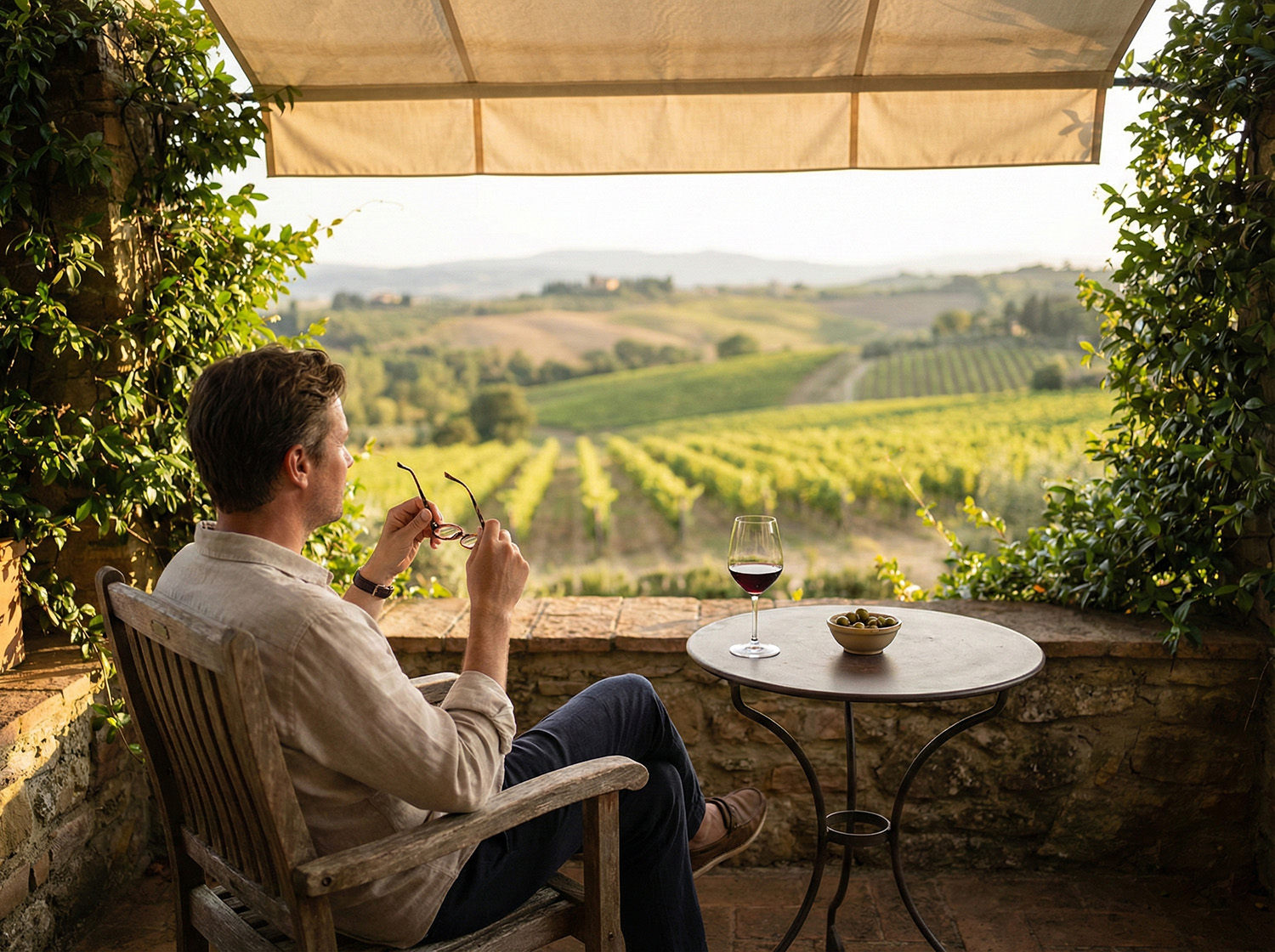
This is what draws me to wine regions as a traveler. The combination of history, craftsmanship, culture, and landscape creates exactly the kind of layered experience I believe travel should offer. Sitting with a winemaker in Tuscany or the Cape Winelands, hearing the story behind what you are drinking, understanding the land and the tradition: this is meaningful travel.
It is also why Africa has become such a central focus of my work. There is something about the continent that brings people back to themselves. The scale of the landscape. The presence of wildlife. The warmth of the people. Clients return from African safaris changed in ways they struggle to articulate. That kind of impact is what luxury travel can offer when it is designed with care.
Connection matters more than spectacle. Simplicity often creates more meaning than extravagance. These beliefs shape everything I do as a luxury travel advisor, from how I plan trips to how I train new luxury travel advisors through The Deolix Academy.
The Future of Luxury Travel
The luxury travel industry is shifting, and I believe the changes are positive.
More travelers are seeking authenticity over prestige. They want real experiences, not performances staged for tourists. They want to understand a place, not just photograph it.
Slower travel is gaining momentum. With over-tourism affecting many popular destinations, thoughtful travelers are choosing less explored places. They are staying longer in fewer locations rather than rushing through a highlight reel. They are prioritizing depth over breadth.
Sustainable luxury is becoming the expectation rather than the exception. Travelers want to know that their trips support local communities and protect the environments they visit. This does not mean sacrificing comfort. It means choosing suppliers who operate responsibly.
Custom, interest-based itineraries are replacing generic packages. Travelers want trips built around what they care about: wine, conservation, art, adventure, culinary traditions, family heritage. The era of one-size-fits-all luxury is ending.
These shifts align with what I have always believed: that the best travel is personal, intentional, and designed to create genuine meaning.
If You’re Exploring Meaningful Travel
If you are thinking about how luxury travel can create deeper, more meaningful experiences, I share more stories, insights, and guidance throughout the blog. And if you are dreaming of a thoughtfully designed trip, whether to Africa, a wine region, or somewhere entirely new, I am always here to help.
To learn more about my background and approach, or to explore more insights on luxury travel, you are welcome to look around.
+ view the comments